Defense Culture and Memory: Great participation at the Università Mediterranea for the historical study of Napoleon Bonaparte's first Italian Campaign.

The initiative, part of the University of Reggio's cultural calendar, represented a high-profile historical and institutional event, combining analysis of military events with a broader reflection on the values of memory, service, and sacrifice.
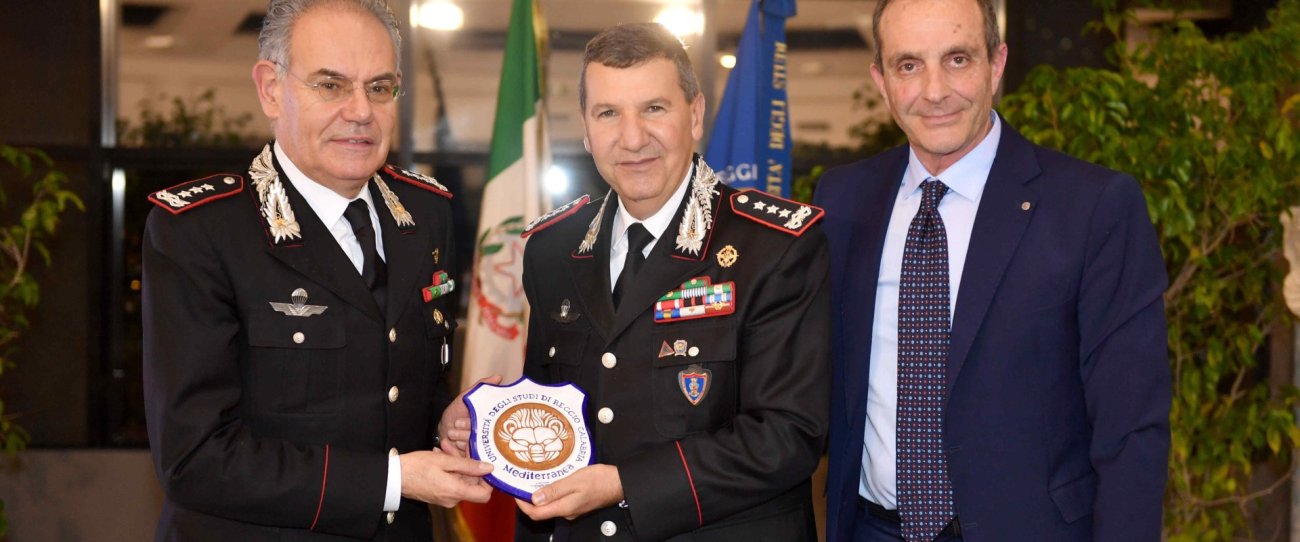
Attentive and qualified participation was shown on the afternoon of Monday, February 9th, at the Atelier of the Università Mediterranea di Reggio Calabria for an in-depth discussion of Napoleon Bonaparte's first Italian campaign, one of the most significant chapters in European military history. The discussion was analyzed through the historical contribution of Lieutenant General Andrea Rispoli, Head of the Office for the Protection of Culture and Memory of the Ministry of Defense, along with Dr. Luca Gandini.
In his speech, General Rispoli recalled the deeper meaning of the Armed Forces' commitment, focusing on the role of protection, custody, and remembrance as cornerstones of institutional action, which falls under the direct responsibility of that office, which collaborates directly with the Minister of Defense. In particular, he highlighted the importance of preserving the architectural heritage of military memorials and cemeteries, places symbolic of the sacrifice of the fallen, of preserving the sense of gratitude toward those who served their country, and of remembrance as a means of unity between generations and a permanent reminder to defend peace.
In a powerful passage of his speech, he emphasized how memory is not just recollection, but collective responsibility, capable of building a bridge between past, present, and future, aimed at educating younger generations in the values of civil coexistence, solidarity, and service to the State.
The historical study also offered the opportunity to retrace in detail Napoleon Bonaparte's first Italian campaign, shedding light on the strategy and operational dynamics that marked a decisive turning point in the political and military balance of power on the European continent.
The meeting concluded with a lively dialogue with students, faculty, and citizens, confirming the role of the Università Mediterranea as a place for cultural exchange and the promotion of historical memory, capable of strengthening the bond between institutions, the local area, and the community.