
Instrumental laboratories
Following the implementation of the Regulations on Instrumental Research Laboratories , a thorough review of the internal regulations is underway, aimed at mapping the laboratories.
This section includes the departmental, interdepartmental, and joint laboratories of the Università Mediterranea listed on IRIS.
Departments: dAeD - DICEAM
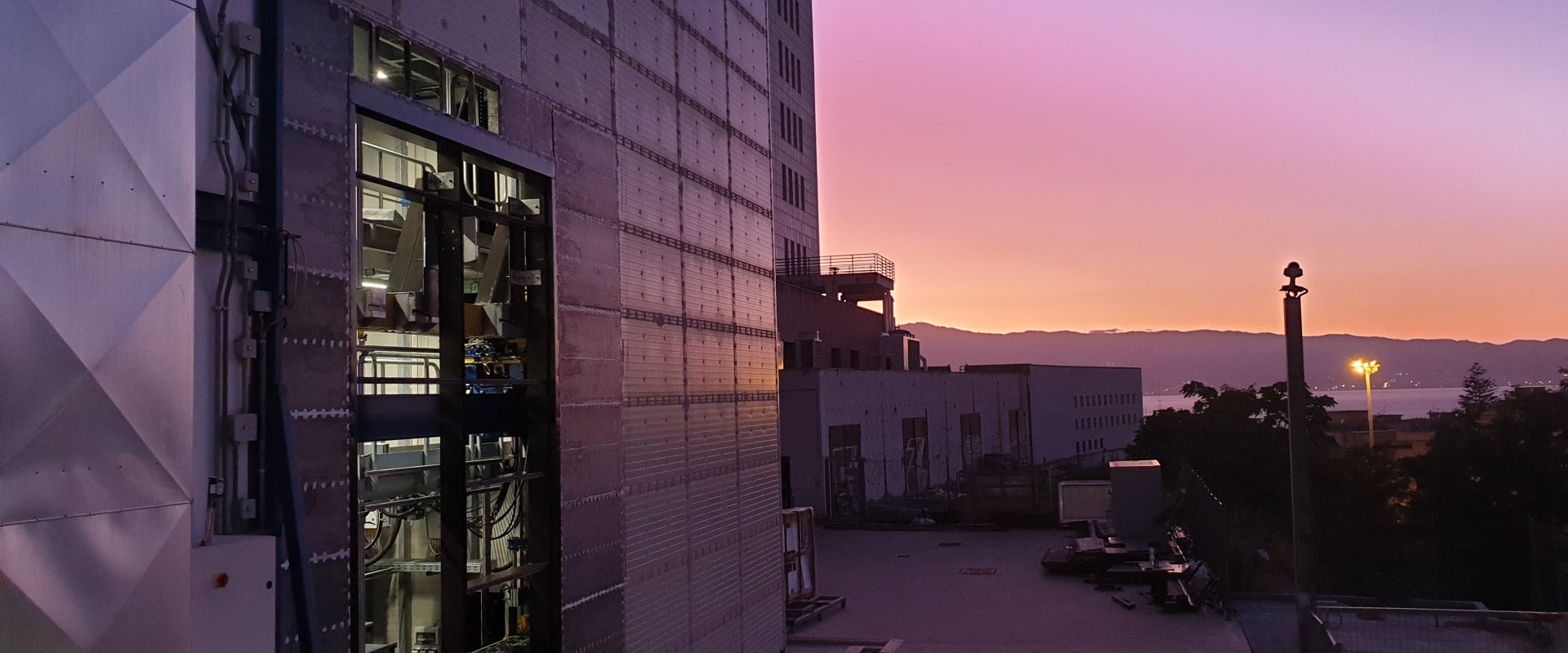
Location : Via dell'Università 25, Department of Architecture and Design (dAeD), Third Block, Level – 1.
Scientific Director : Prof. Francesca Giglio
Section coordinators : Prof. Patrizia Frontera (material characterization), Prof. Francesco Pastura (Materoteca), Prof. Nino Sulfaro (Cultural Heritage)
Description :
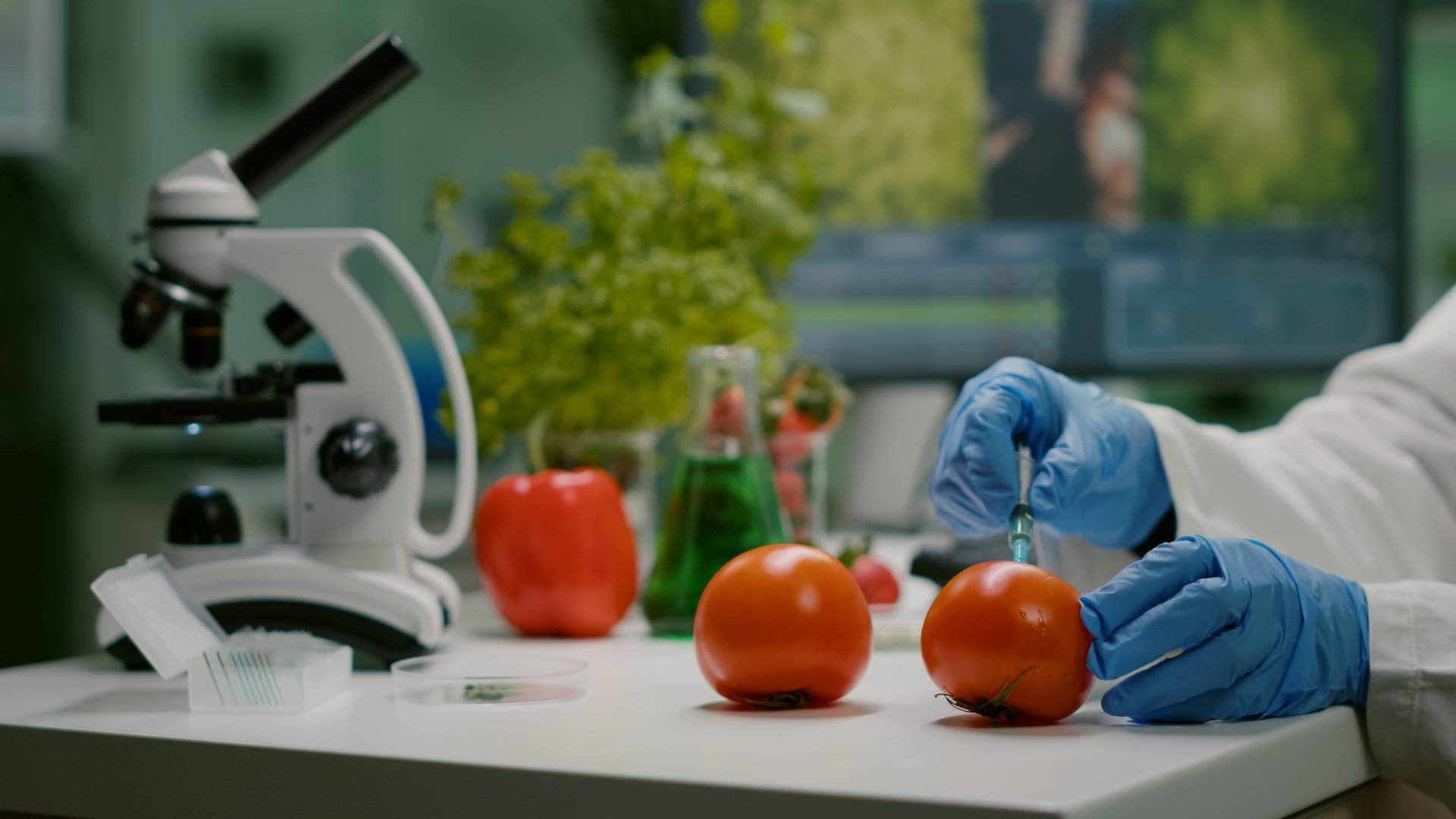
MATeRICs is a multidisciplinary interdepartmental laboratory that conducts experimental material characterization analyses, aimed at assessing the physical/chemical performance of materials, developing decarbonization strategies—particularly Carbon Capture & Storage (CCS) technologies—measuring the impact of climate change on cultural heritage, and experimenting with innovative materials for construction and design. The laboratory's objectives contribute to the Department's strategic objectives, with reference to the strategic guidelines of the 2021-2027 National Research Council (PNR) (Cultural Heritage, Climate Change, Industrial Energy) and the 2021-2027 Calabria Regional Action Plan (S3) (environmental sustainability; innovative materials; new technologies for the diagnosis and valorization of cultural resources; technologies for advanced design). The laboratory's scientific project draws on the multidisciplinary expertise of the Research Unit, in which the central role of experimental material characterization analyses is integrated and becomes functional to innovative technologies for heritage conservation and decarbonization strategies in response to climate change. The scope of application is interscalar: from the micro (microstructural level) to the macro scale (for interventions on pre-existing buildings, historic buildings, cultural sites, and industrial archaeology). The Laboratory is divided into three sections representing their respective disciplinary fields of reference: innovative construction processes and technologies (Materoteca), enhancement of architectural heritage (Cultural Heritage), and evaluation of the physical/chemical performance of materials (Material Characterization). The main areas of intervention for the advancement of material characterization methodologies for research into new application scenarios include:
- Decarbonisation strategies: verification and measurement of the carbon capture capacity of experimental and production materials/products;
- Cultural heritage and climate change: analysis of the interactions between traditional/innovative materials and environmental factors related to climate change
- Evaluation of the chemical/physical performance of materials: diagnostic investigations from the micro scale (at the microstructural level) to the macro scale (for interventions on pre-existing buildings, historical sites, cultural sites and industrial archaeology)
- Scientific collaborations through agreements with companies in the sector
Departments: dAeD - DICEAM
Location: Università Mediterranea di Reggio Calabria – Department of Architecture and Design (DAeD)
Scientific Director: Professor Francesca Moraci
Members: Professor Alessandra Barresi (coordinator of the Urban and Regional Planning section); Professor Raffaella Campanella (member of the Urban and Regional Planning section); Professor Vincenzo Barrile (Operational Manager of the Transition Hub and coordinator of the "Management of the Digital Platform and Digital Twin" section); Professor Mario Versaci (member of the "Management of the Digital Platform and Digital Twin" section); Professor Martino Mialrdi (coordinator of the "Climate Intelligence Chamber and applications in synergy with the platform" section). Research Fellows: Alfredo Ascioti; Giuseppe Meduri; Luigi Bibbò; Pietro Bova; Francesco Trimboli; Maria Teresa Mandaglio; Lidia Errante; Giuliana Billotta; and Caterina Gattuso. Contractors: Emanuela Genovese.
Description: The Transition Hub is an accredited interdepartmental research laboratory (Departments DAED and DICEAM) established within the Mediterranean University of Reggio Calabria with the aim of addressing the major challenges of the ecological, digital, and climate transition as part of Pilot Project 4.6.1 of the Tech4You Innovation Ecosystem. Scientifically coordinated by Professor Francesca Moraci, the laboratory is a dynamic space for research, experimentation, innovation, and the exchange of diverse fields of knowledge, combining advanced scientific research with a concrete impact on local communities.
The Laboratory hosts the research activities envisaged by Pilot Project 4.6.1 - Goal 4.6 - Spoke 4 of the Tech4You Innovation Ecosystem. The research activities involve the development of predictive scenarios based on new technologies for urban planning in response to climate change through the use of innovative digital equipment (AI/ML for the development of a predictive digital platform) and advanced technologies (development of a prototype Intelligent Climate Chamber for the reproduction and verification of phenomenon scenarios). The Laboratory is equipped with workstations (for 10 research fellows) and houses the equipment dedicated to research funded under the PNRR PP 4.6.1 project (approximately €530,000 for cascading calls already underway, approximately €339,000 for new equipment). The spaces host the research activities covered by Pilot Project 4.6.1. and include the proposal to establish an academic spin-off already in the incubation phase, involving part of the Pilot Project research team. Currently, the activities (TRL6) have been conducted through the convergence of three distinct segments: the STuTEP Laboratory - Urban and Territorial Strategies for Planning (Scientist Director: Prof. Moraci), the TC LAB Laboratory - BFL (Scientist Director: Prof. Martino Milardi), and the Geomatics Laboratory - DICEAM (Scientist Director: Prof. Vincenzo Barrile), as well as through intense interdepartmental activity.
One of the distinctive elements of the Transition Hub is the digital interface platform (patent pending) consisting of the Climate Intelligence Chamber (also patent pending) and the Digital Twin, which operate synergistically thanks to Artificial Intelligence. The use of innovative technologies supports the development of solutions for urban and regional planning to simulate future climate scenarios, assess environmental issues in real time, and design increasingly targeted and effective adaptive responses for cities and regions.
The Transition Hub, housed in an academic spin-off currently under development—and a proposed start-up—works in close collaboration with universities, research centers, public administrations, and businesses, creating a network of stakeholders sharing the common goal of building more resilient, sustainable, and intelligent cities and regions. The research findings are designed to be transferable and replicable, helping to guide public policies, strengthen local decision-making capacity, and attract investments geared toward environmental sustainability.