The Università Mediterranea renews its Agricultural Studies program: training professionals for the ecological and digital transition.

The Department of Agriculture at the Università Mediterranea di Reggio Calabria confirms its position as a benchmark of excellence, unique in Calabria and the Strait of Messina area. With a tradition established since 1982, the Department launches its renewed program for the 2026/2027 academic year. The goal is clear: to respond promptly to the rapidly evolving world of work and the major global challenges related to sustainability.
Thanks to an ongoing and fruitful dialogue with the business community, the program covers the entire study cycle. It ranges from bachelor's degrees to two-year master's degrees, designed to complete specialized training. The postgraduate program is also enriched with research doctorates, advanced master's degrees, and teaching qualification courses.
Professor Marco Poiana , Director of the Department, explains the strategic vision behind this renewal: "The agricultural, food, forestry, environmental, and biotechnology sectors are currently attracting enormous interest in light of the ambitious challenges of the coming decades. Producing food sustainably, safeguarding the environment and forestry, and making a concrete contribution to global well-being are no longer options, but urgent necessities. Calabria has a strong agricultural vocation, an impressive forestry heritage, and extraordinary traditional food production. These resources, in addition to being protected, must be enhanced in a fully interconnected way with the production sector and environmental issues."
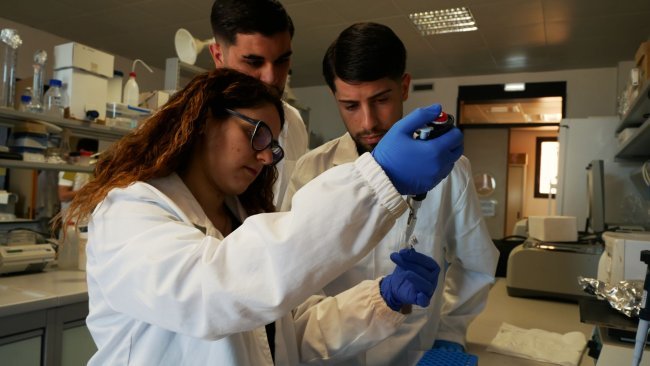
The curriculum ranges from environmental sustainability to the digitalization of the agri-food supply chain, and even land conservation, offering students a winning mix of solid theory and hands-on laboratory and field experience.
"Starting in the 2026/2027 academic year, all our courses, already updated and updated in content, will aim to train the true technicians of the future," continues Professor Poiana . "Our graduates, armed with advanced technical and scientific skills and knowledge of digital technologies applied to production processes, will be able to manage the sector by addressing crucial issues. We are talking about the protection of agricultural and forestry ecosystems, the sustainability of supply chains, and food security, understood as both access to food for all and hygiene, healthiness, and traceability. All of this requires a transdisciplinary approach that puts the environment at the center, while generating real socioeconomic improvement for the entire Mediterranean region . "
The Department's educational offering is divided into first- and second-level courses that directly transfer to students the cutting-edge knowledge developed by internal research groups:
Three-year Degree Courses (Level I): “Agricultural Sciences and Technologies”, “Food and Gastronomic Sciences and Technologies”, “Forestry and Environmental Sciences” and “Biotechnologies for Sustainability”.
Master's Degree Courses (2nd level): “Mediterranean Agricultural Production Sciences”, “Sustainable Management of Forestry and Mountain Territory” and “Food Product Quality and Safety Sciences”.
To ensure maximum support during studies and facilitate access to the world of work, the Department offers cutting-edge teaching laboratories, library services, tutoring and targeted internships, as well as an efficient job placement service based on consolidated relationships with companies.
Added to this is the robust package of services and welfare measures guaranteed by the University: scholarships, merit-based income, degree awards, university residences, housing subsidies, and free bus service. Students can also count on psychological counseling services, free medical care, and the facilities of the University Sports Center (gym, sports field, and outdoor fitness area), not to mention the excellent international mobility opportunities offered by the Erasmus+ programs.
"We want to contribute to the creation and improvement of a training program that has a strong impact on the needs of the local area, while also being able to interact and compete globally," concludes Director Marco Poiana . "Enrolling in degree programs in Agricultural, Forestry, and Food Sciences and Biotechnology today means acquiring the foundations needed to be conscious protagonists of change . "