Alien species and biodiversity protection: over 100 participants at the Università Mediterranea for the conference on the Pennisetum setaceum.
National and international experts, institutions, and students discussed the results of a Calabrian project to combat one of the most invasive plants threatening Mediterranean ecosystems.
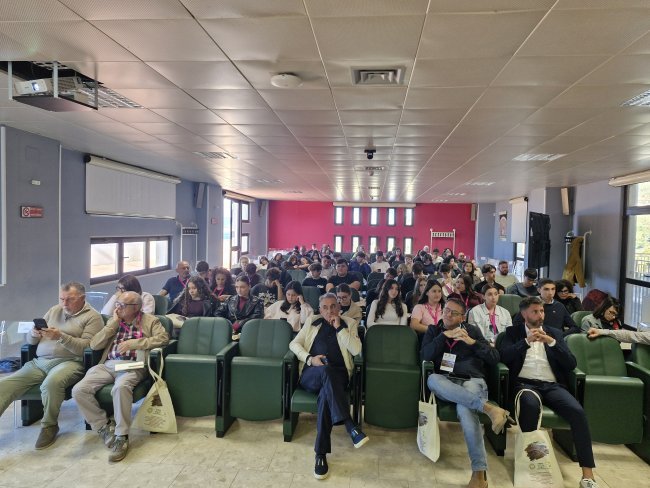
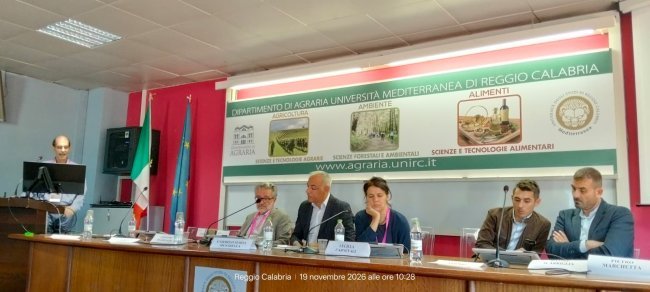
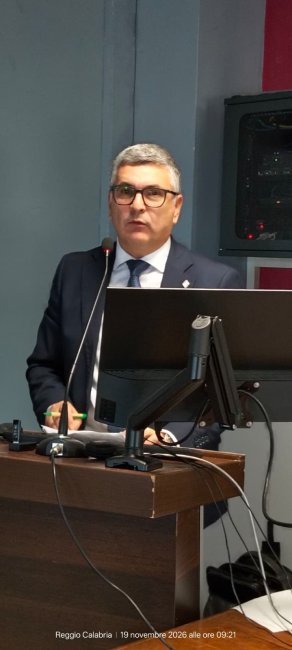
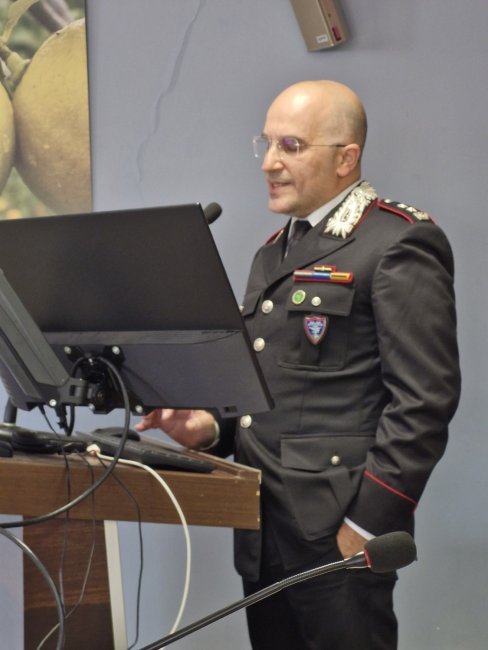
The training conference on the fight against invasive alien species, held on Thursday, November 19, at the "FS Nesci" Seminar Room of the Department of Agriculture at the Università degli Studi Mediterranea di Reggio Calabria, attracted over 100 participants.
The focus of the proceedings was the presentation of the results of the project "Eradication of the Pennisetum Setaceum in Calabria: Prevention, Eradication, and Study of the Potential Expansion of Its Habitat ." The initiative, promoted in collaboration with the Calabria Region and the Department of Agriculture at the University of Reggio Calabria, brought together Italian and international researchers, professionals, institutional representatives, and around thirty eighth-year students from the "A. Volta" Scientific High School in Reggio Calabria.
The environmental emergency
The discussion has highlighted the spread of the silky Pennisetum ( Cenchrus setaceus ), a highly invasive perennial herbaceous plant that threatens native flora and habitats protected by European directives. The scientific data emerging offers concrete support for the implementation of the National Management Plan drawn up by ISPRA.
After the institutional greetings, the day was divided into two well-attended technical-scientific sessions:
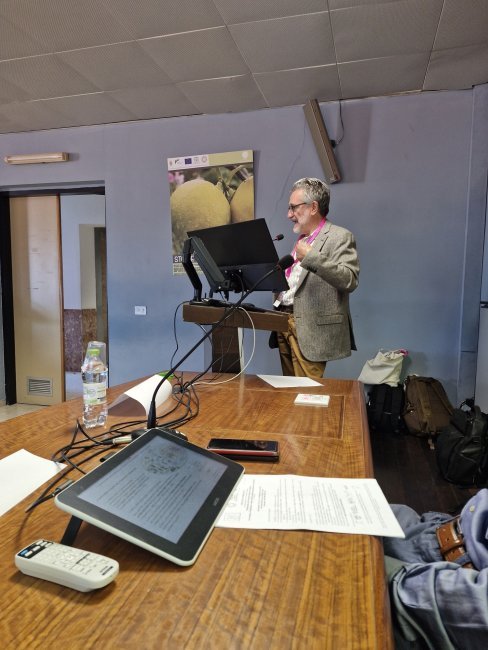
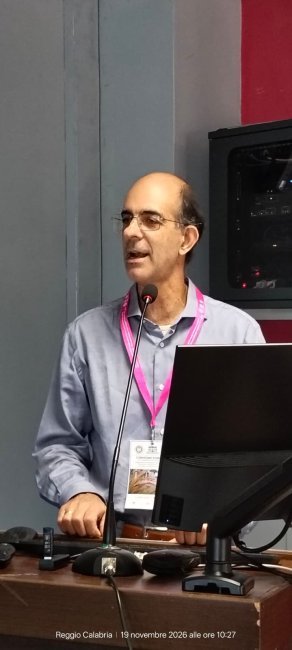
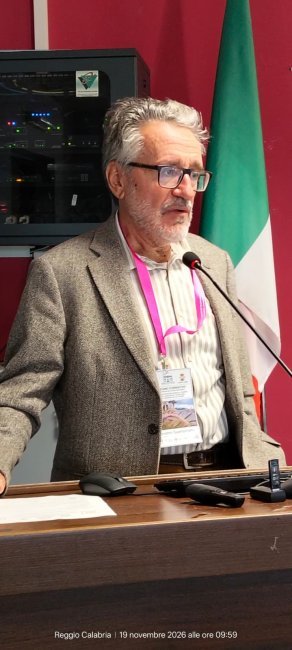
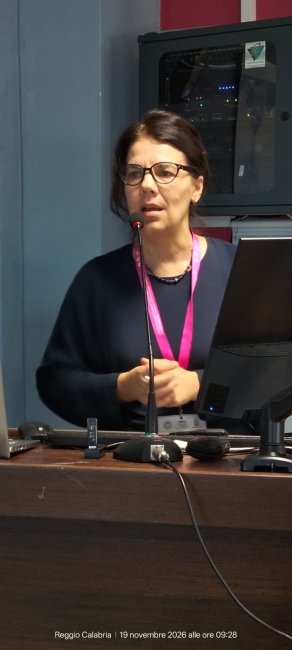
- Regulatory Framework and International Research: The first session ( "Alien Species and Related Issues" ) featured speakers Lucilla Carnevali (ISPRA), Giovanni Spampinato (Italian Botanical Society), Gabriele Galasso (Natural History Museum of Milan), and Carmelo Maria Musarella (Mediterranean University), who presented the results of the Calabrian project. European experiences were also explored, with presentations from Portugal by Catarina Meireles (University of Evora, ZIMBRAL4LIFE project) and Ricardo Quinto Canas (University of the Algarve).
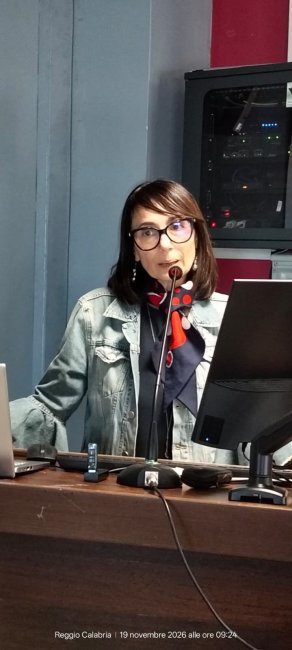
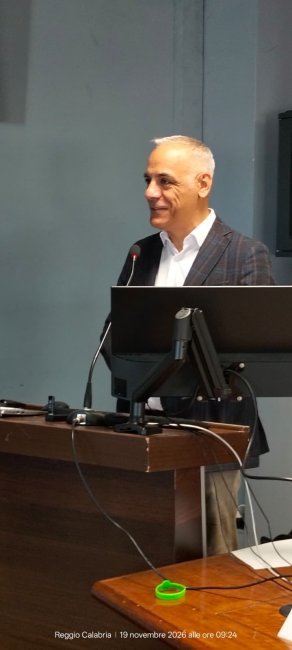
- Case studies and local actions: In the afternoon ( "Case studies for the eradication of the Pennisetum silkenum in Italy" ), attention shifted to operational strategies with presentations by Lorenzo Gianguzzi (University of Palermo) on the case of Monte Pellegrino, Pietro Felice Marchetta (Carabinieri Forestale) on the experience of Pantelleria, and Maria Prigoliti (Calabria Region) on regional perspectives. Local focus groups included Saline Joniche, with Antonio Morabito (University of the Mediterranean), Crotone, with Davide Scarriglia (Municipality of Crotone), and Amantea, again presented by Carmelo Maria Musarella.
At the end of the day, participants took the final test to receive a training certificate.
The event was sponsored by the Italian Botanical Society (SBI), the Italian Society of Vegetation Science, the Italian Society of Biogeography, the Order of Biologists of Calabria, the Regional Federation of the Orders of Agronomists and Forestry Doctors of Calabria, and the Order of Architects of the Province of Reggio Calabria, with the collaboration of the Campania-Lucana-Calabrese Regional Section and the SBI's "Biological Invasions" Working Group.
Project updates and materials are available on the official Instagram channels: @pennisetocal and @herbarium_unirc .