The Università Mediterranea is growing eight times faster than the national average: freshmen enrollment up 46% and Gerardo Sacco is awarded an honorary degree

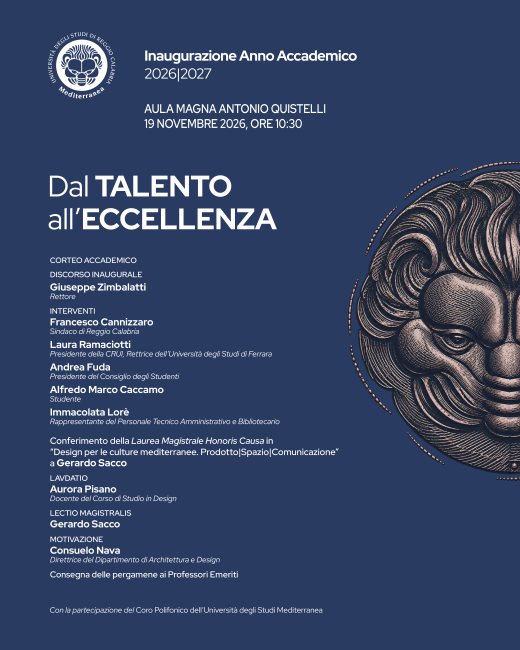
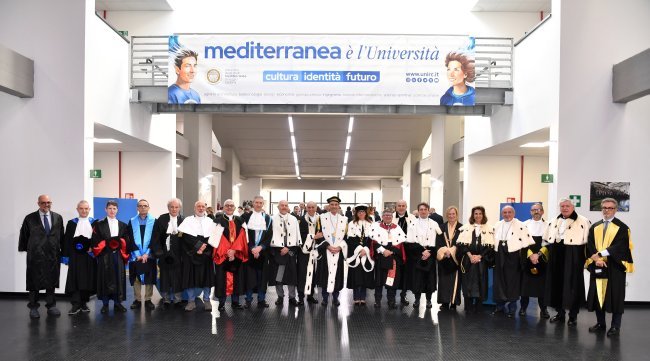
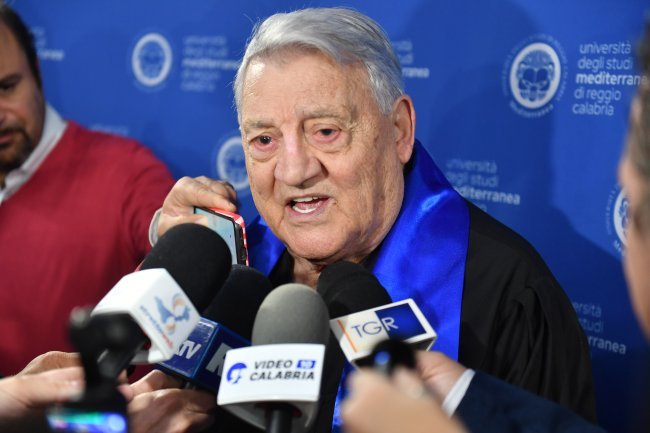
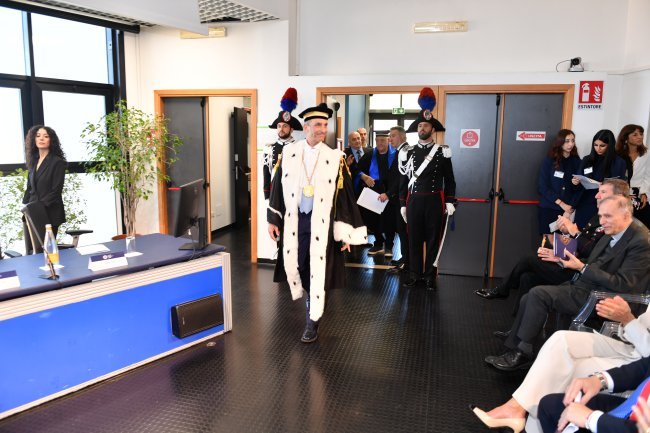
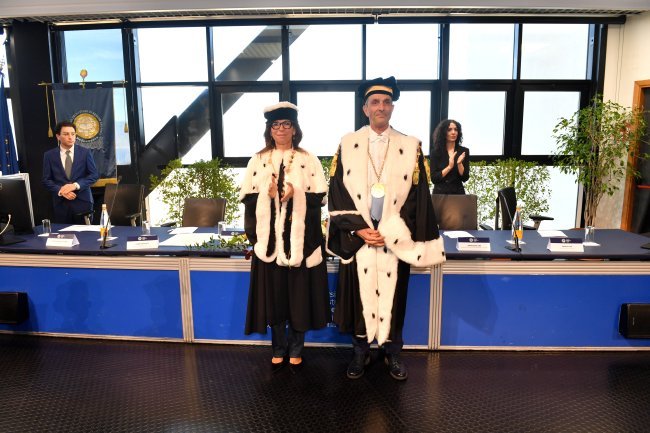
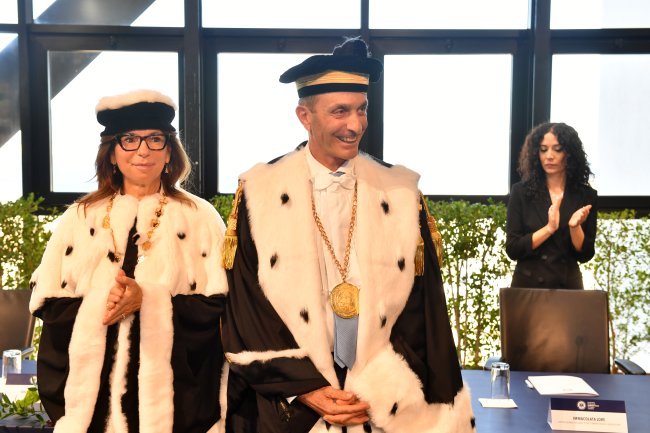
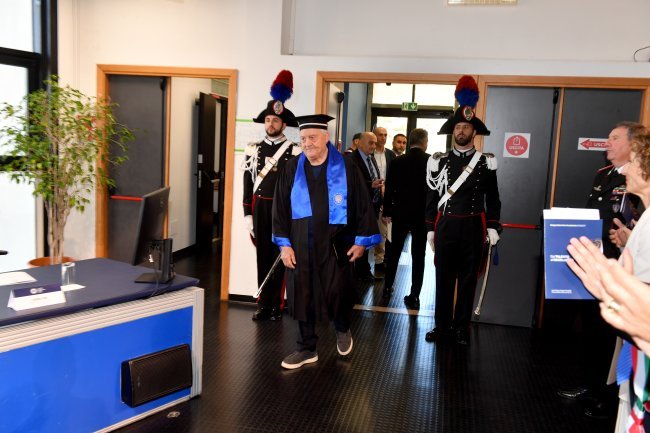
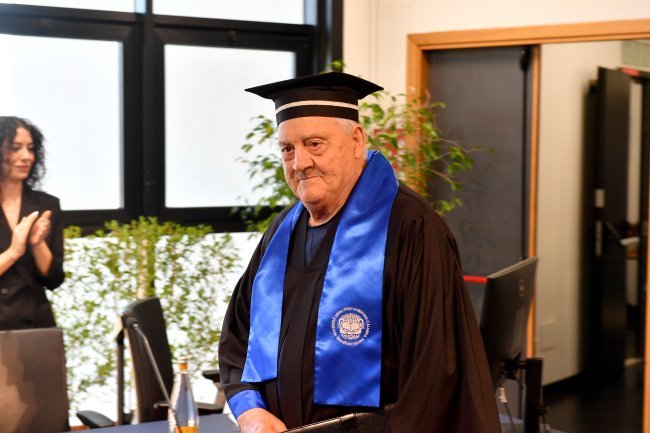
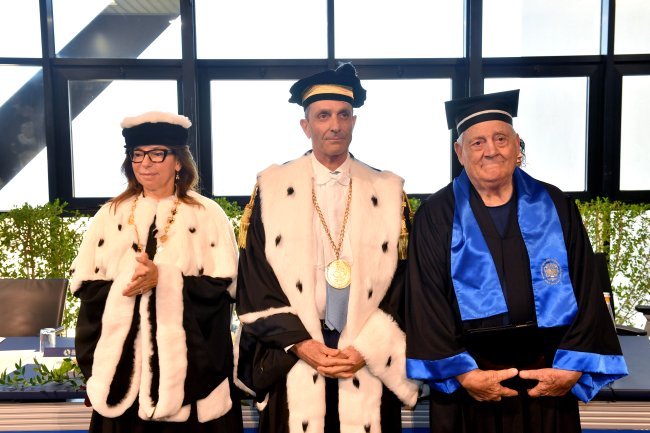
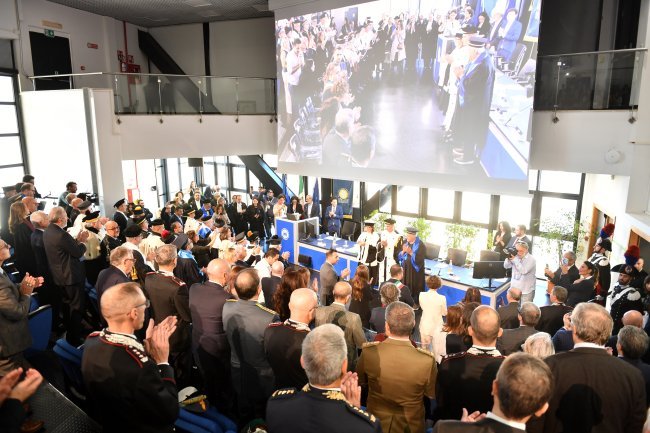
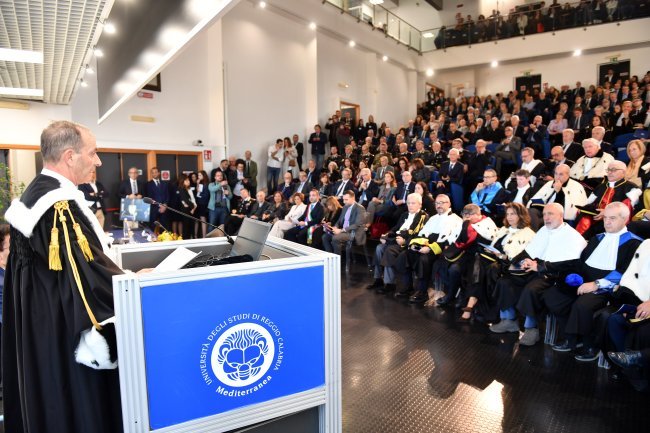
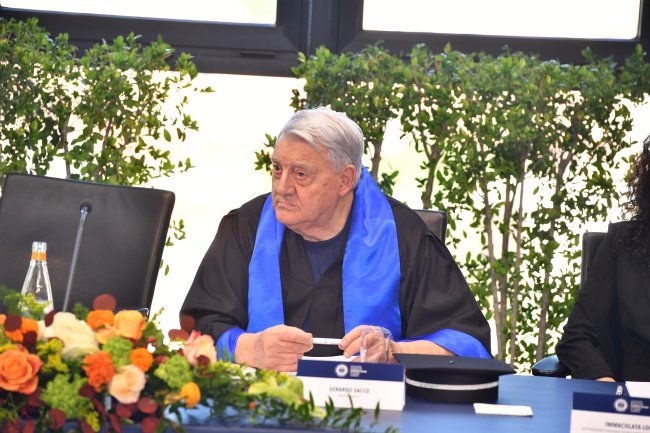
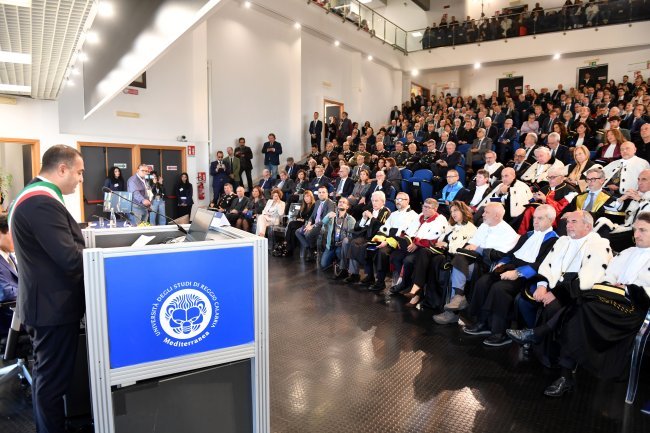
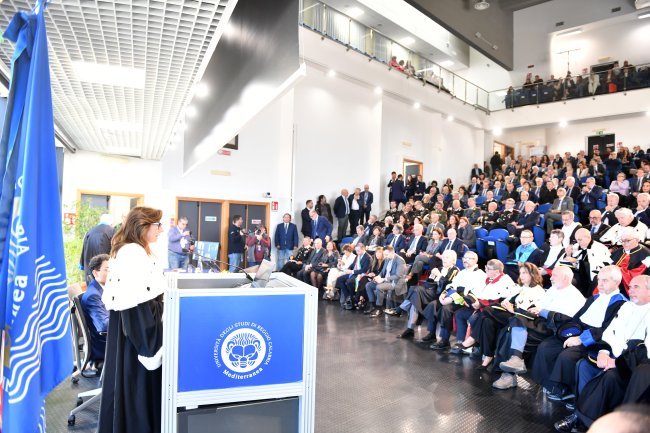
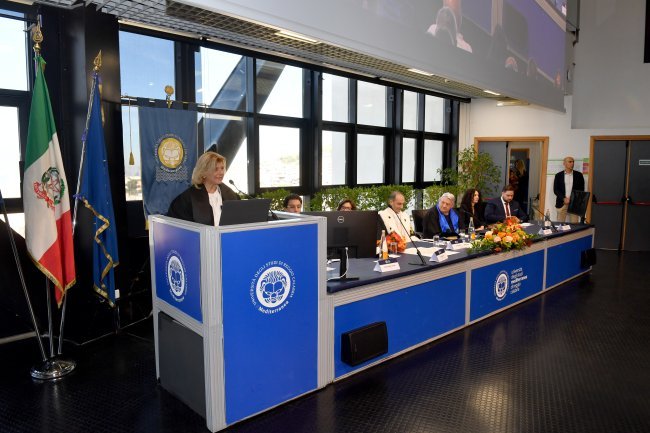
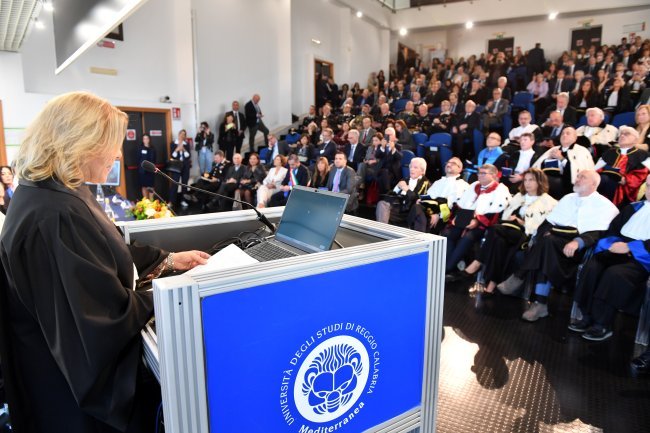
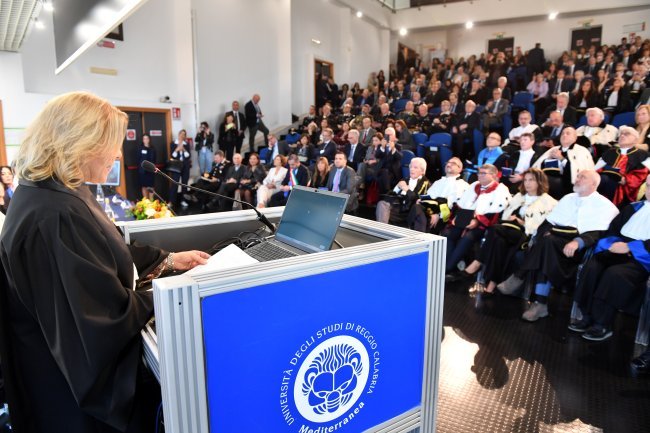
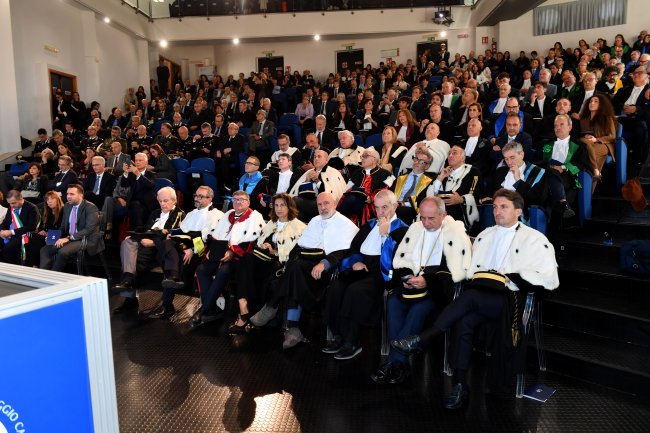
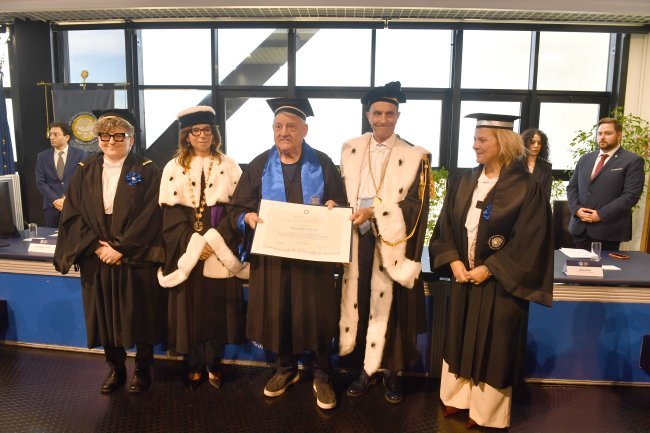
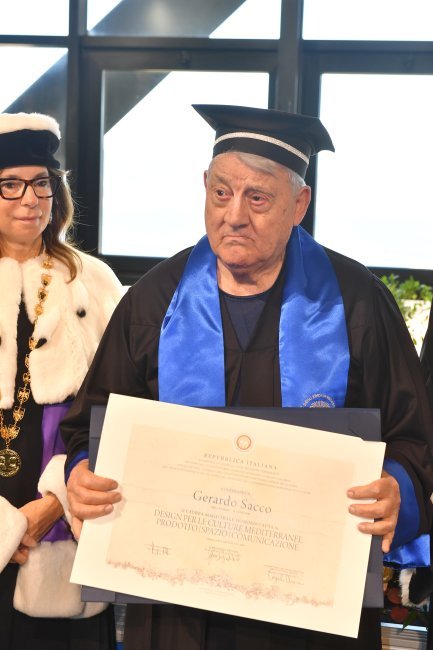
The inauguration ceremony for the 2026/2027 academic year was held on Thursday, November 19th, in the Antonio Quistelli Aula Magna. During the ceremony, Master Goldsmith Gerardo Sacco was awarded an Honorary Master's Degree in "Design for Mediterranean Cultures. Product | Space | Communication."
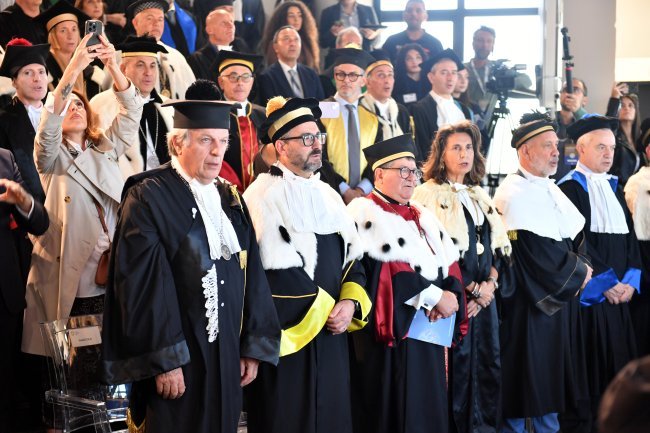
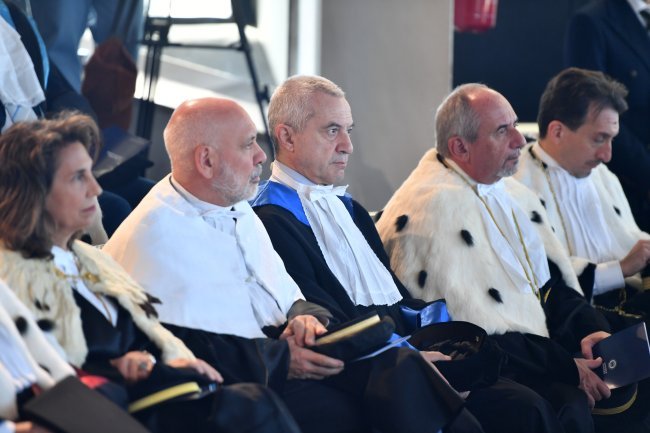
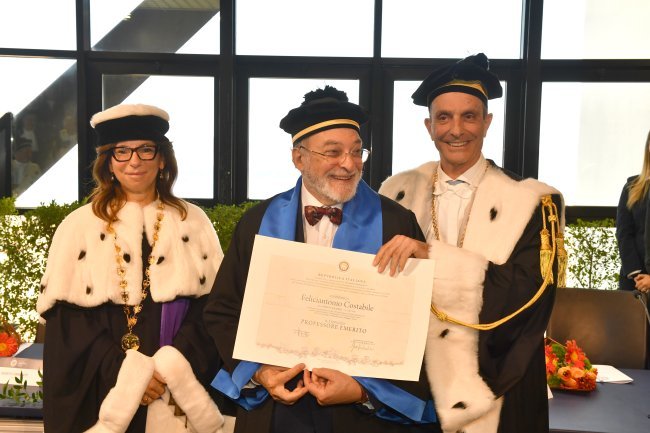
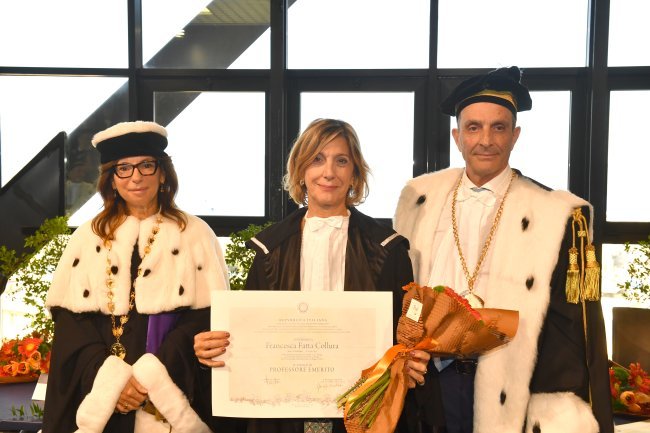
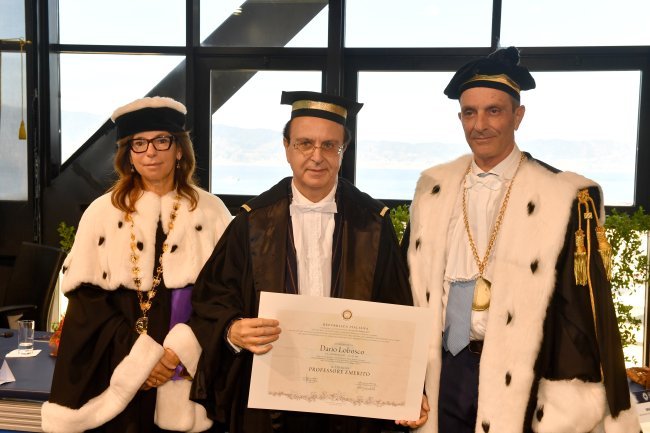
At the conclusion of the event, with a brief ceremony, the emeritus degrees were awarded to Professors Feliciantonio Costabile, Francesca Fatta, Dario Lo Bosco, and Francesca Moraci.
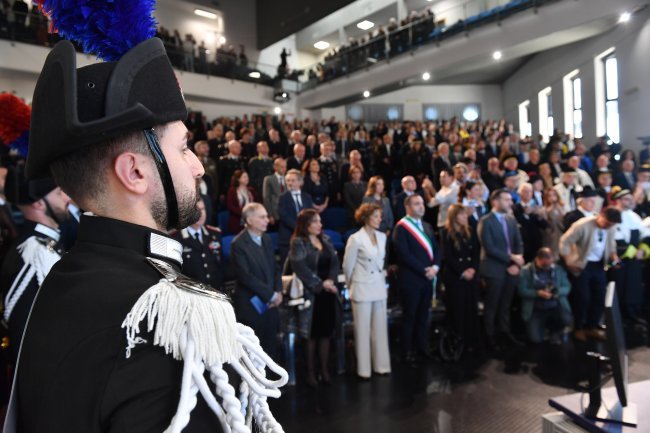
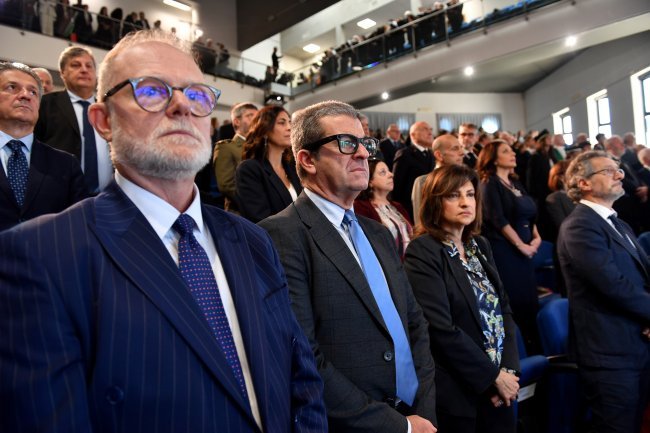
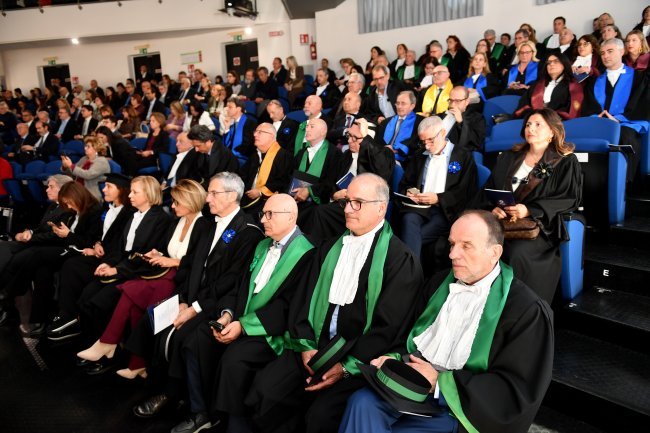
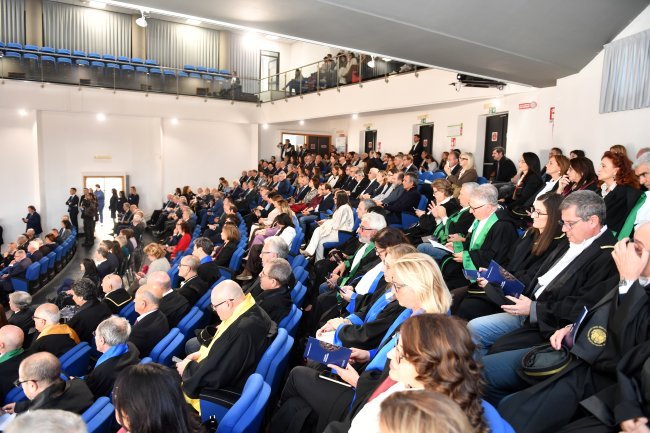
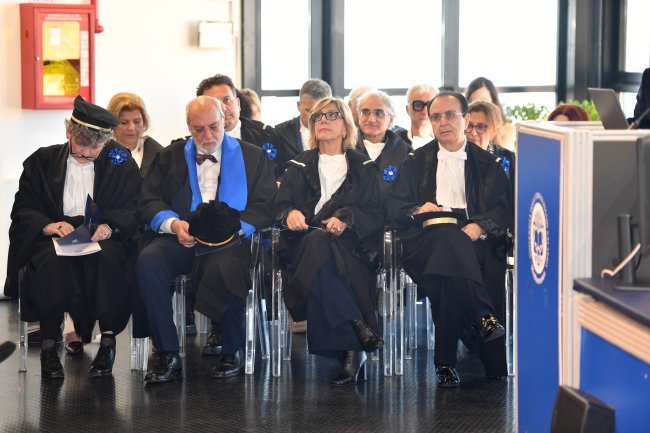
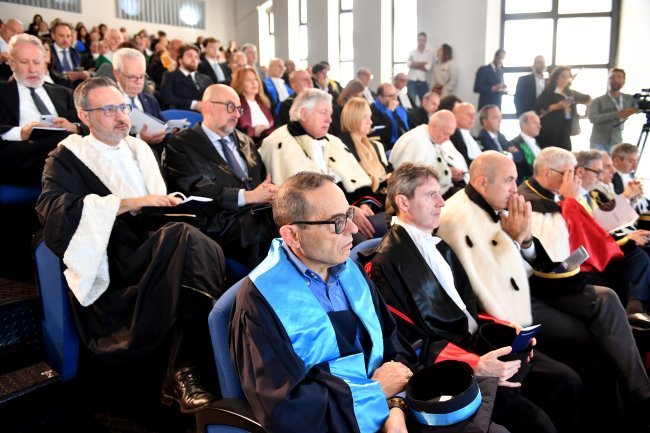
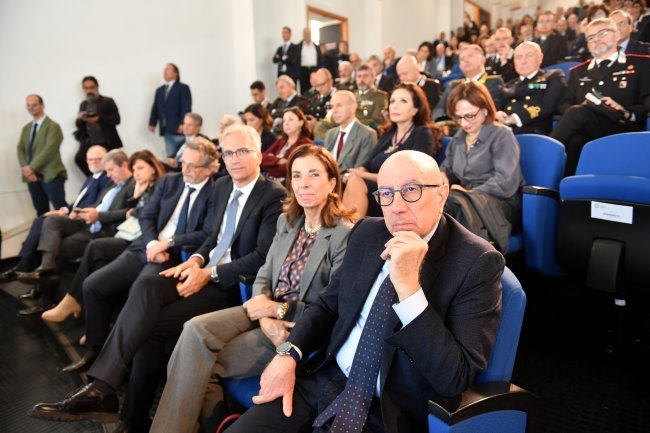
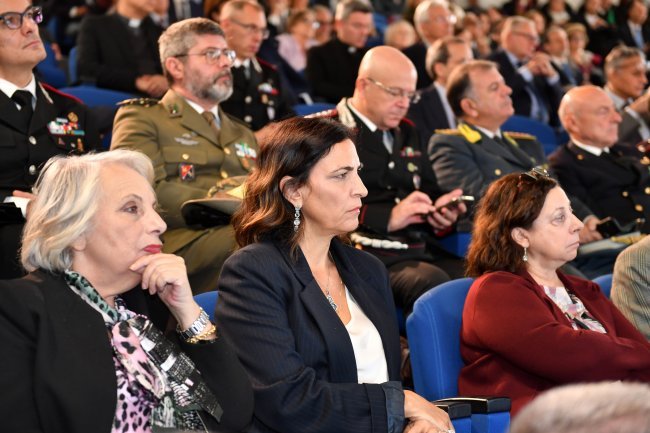
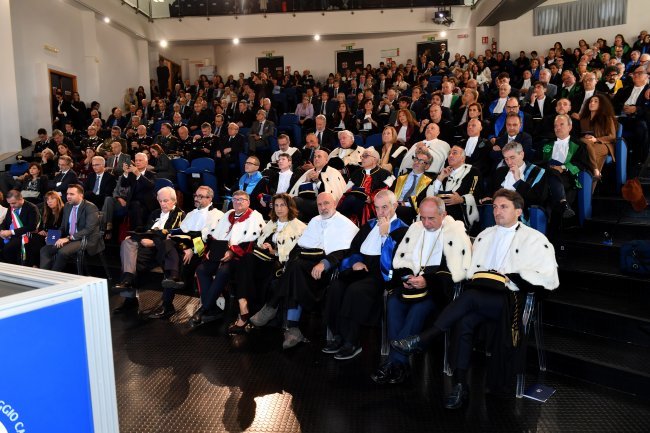
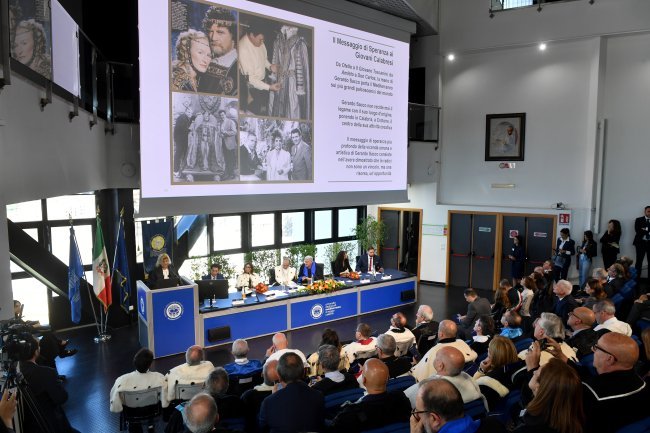
An intense event featuring a leading figure in the Calabrian region: master goldsmith Gerardo Sacco. The Università Mediterranea di Reggio Calabria is holding the inaugural ceremony for the 2026/2027 academic year, themed "From Talent to Excellence," and is awarding an Honorary Master's Degree in "Design for Mediterranean Cultures" to Gerardo Sacco, a renowned ambassador of Mediterranean artistic craftsmanship and culture worldwide. The Quistelli Auditorium—with a distinguished audience of dignitaries, including the President of the Italian Catholic University of Reggio Calabria (CRUI), Professor Laura Ramaciotti, and Rector of the University of Ferrara—vibrates with emotion as Gerardo Sacco's life lesson unfolds: a young apprentice who, in the goldsmith's workshop, builds the dream that will take him far, creating his first necklace at the age of ten. At the same time, through the Rector's words, the University of Reggio Calabria embodies the concrete hopes of young people who find here an increasingly solid foundation for their future. A University that is making progress in employability, recording an exponential increase in enrollment, and climbing the ranks of Italian universities: third in the 2026-2027 Censis rankings among state universities with up to 10,000 students; first for scholarships and student support, and second for facilities.

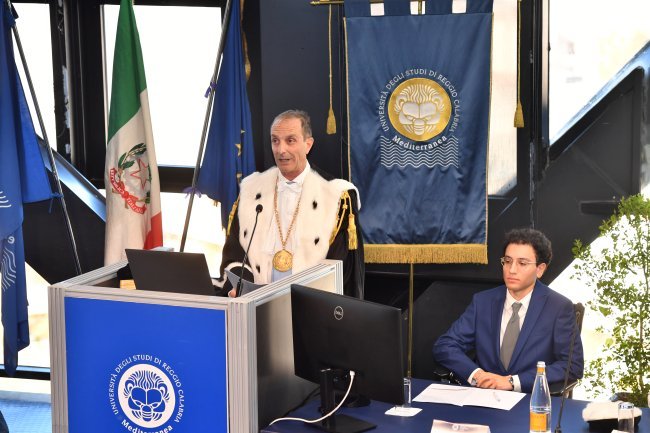
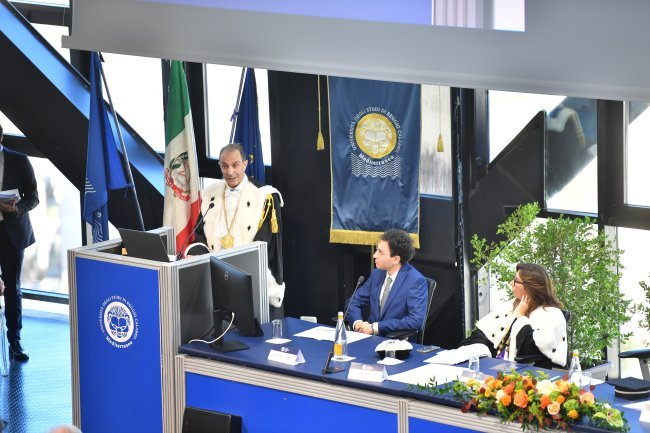
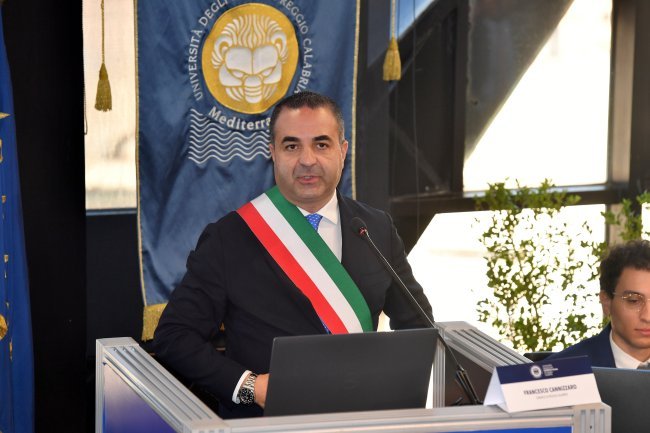
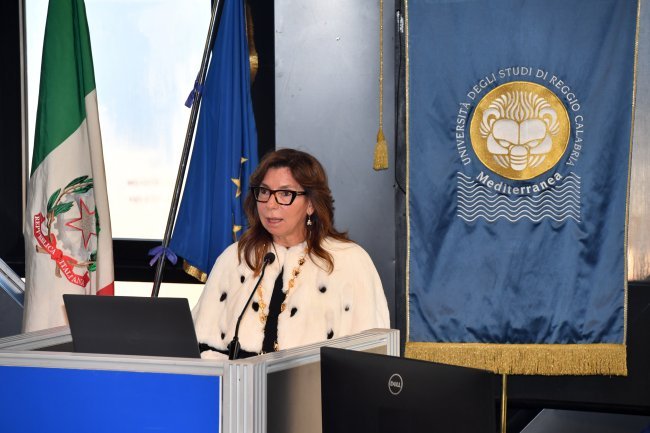
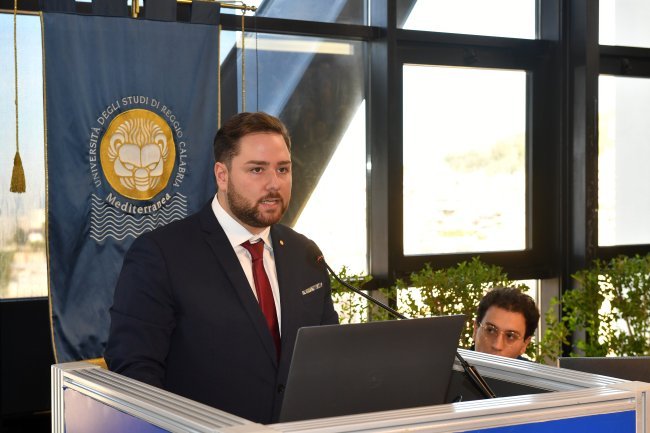
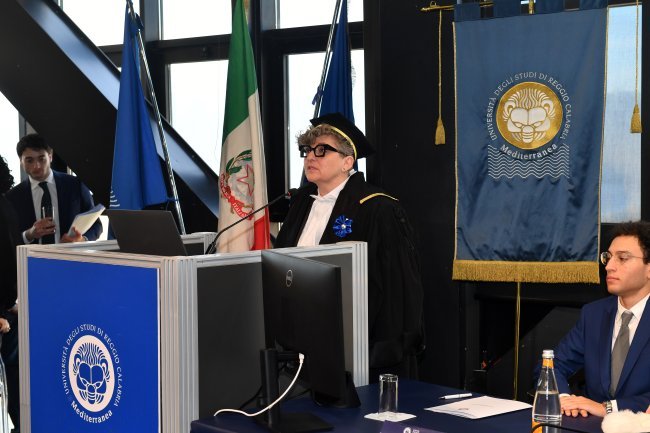
The ceremony was opened by Rector Giuseppe Zimbalatti, who, in welcoming the distinguished audience, returned to the inauguration theme, stating: "In our vision, every young person possesses talent. Excellence develops through study, research, work, discussion, and the opportunity to access quality experiences. The personal and professional history of Maestro Gerardo Sacco bears witness to the path talent takes to become excellence. This is precisely the responsibility of a "local university" such as ours is proud to hold: creating opportunities and making education accessible, connecting local needs to national and international knowledge networks." Rector Zimbalatti emphasized two key objectives in his detailed inaugural address: quality education and strengthening the curriculum with high-quality programs, faculty, facilities, and services that foster the trust of families and students. "The number of degree programs has increased from 22 in 2022-2023 to the current 28, with the progressive updating of all programs in line with evolving knowledge and educational and professional needs. Research and laboratory expertise fuel this renewal, bringing up-to-date content, methods, and tools into the classroom that engage students in building knowledge, enabling them to understand the tools, verify the results, and use them with independent judgment. This framework," the rector observes, "also includes our focus on the life sciences. Starting this academic year, the interdisciplinary three-year degree program in Biotechnology for Sustainability has been launched, and the search for sustainable solutions to expand the medical offering continues with the launch of the program in Medicine and Surgery." Although still provisional and therefore expected to grow, the data presented by rector Giuseppe Zimbalatti are eloquent. In the current academic year, Mediterranea University has surpassed 6,100 students enrolled in bachelor's, master's, and single-cycle degree programs, a 6% increase over last year's final figure and a 26% increase over three years ago. Of these, over 60% are women. Freshmen have risen to over 1,850, an 11% increase over last year's final figure and a 46% increase over three years ago. Furthermore, considering students on inter-university courses, PhDs, master's degrees, specialization programs, teacher training programs, and other training activities, the student population exceeds 7,500. And the overall figure is positive compared to average non-online Italian universities. "Between the 2021-2022 and 2025-2026 academic years, first-year enrollments grew by approximately 44%, compared to a 5.5% growth in the national average. Pure enrollees, that is, young people entering the university system for the first time,"They grew by approximately 48%, compared to a 3% growth rate at the national level. For career starts, our growth rate," the rector noted, "was therefore approximately eight times the national average and five times the average for the Southern region. Overall enrollments increased by 17%, compared to a 4% national average." Zimbalatti's important point is the right to education as a further element of the University's qualification, "which reduces the gap between talent and financial resources through scholarships, free transportation, and housing support. In recent years, all eligible students have received scholarships, and last academic year, the benefit was awarded to over 35% of enrolled students. This is the context for the "Reddito di Merito – Incentive for Excellence for Deserving Students," supported by the Calabria Region: monthly payments ranging from €500 to €1,000 will benefit 468 students starting this year. Equally significant is the residential data, which, thanks to ministerial incentives for university housing, has seen the creation of an additional 500 beds, in addition to those on the future Mediterranea Campus. The Rector thanked Francesco Cannizzaro, MP and current mayor of Reggio Calabria, for his fundamental support of the project. Guidance, soft skills, libraries, job placement, and international mobility are complemented by healthcare services, psychological counseling, and free, dedicated help desks for those experiencing harassment, discrimination, or hardship.The Rector thanked Francesco Cannizzaro, MP and current mayor of Reggio Calabria, for his fundamental support of this initiative. Orientation, soft skills, libraries, job placement, and international mobility are complemented by healthcare services, psychological counseling, and free, dedicated help desks for those experiencing harassment, discrimination, or hardship.The Rector thanked Francesco Cannizzaro, MP and current mayor of Reggio Calabria, for his fundamental support of this initiative. Orientation, soft skills, libraries, job placement, and international mobility are complemented by healthcare services, psychological counseling, and free, dedicated help desks for those experiencing harassment, discrimination, or hardship.
All these initiatives contribute to making life at the University safe and respectful of everyone's dignity. "The University's commitment must be matched by an adequate response from the city. The thousands of young people who frequent our beautiful and scenic campuses demand less isolation," the rector notes, setting new and challenging goals, "and therefore the creation of functional connections and rapid mass services, opportunities for participation and employment. We, simply but insistently, ask that the now chronic apathy be replaced with a more decisive commitment, with recognizable priorities, timelines, and responsibilities, to finally jointly support the right to education, the urban economy, and quality of life." The profile emerges of an expanding and growing University, aware of its critical issues and capable of addressing them. But a contradiction remains. Many southern universities struggle to ensure generational turnover and growth, even with clear budgetary availability, as is our case. Recruitment opportunities are hampered, notes Rector Zimbalatti, by the student tuition system, characterized in southern universities by a high rate of exemptions, including those provided for by the so-called "no tax area." In southern universities, the exemption rate is 60-70%. In our case, it's approximately 65%. In universities in central and northern Italy, it's 35-40%. A fundamental national commitment to social equity requires not only adequate resources but, above all, a fair and ethical distribution, with due respect for university autonomy. It's paradoxical that precisely where student support is most needed, universities' ability to provide it is diminished.
Committed to continuing with determination and a sense of responsibility in the constant search for improvement, the Rector extended heartfelt thanks to the Director General, Pietro Foti, for his strong commitment to administrative action; to all the technical, administrative, and library staff; to the hundred young people involved in the universal civil service; to the entire university community, to the central bodies, structures, and representatives, particularly the Student Council; and to the Polyphonic Choir of the Mediterranea.
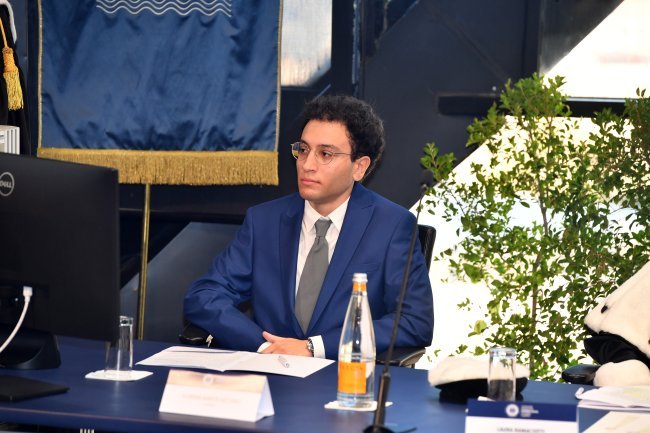
In conclusion, Zimbalatti's appeal is to the civic engagement of young people, as demonstrated by student Alfredo Marco Caccamo, recently awarded the Alfiere del Lavoro honor . "His example reminds us how personal skills also find valuable expression in caring for others and in responsibility toward the community."
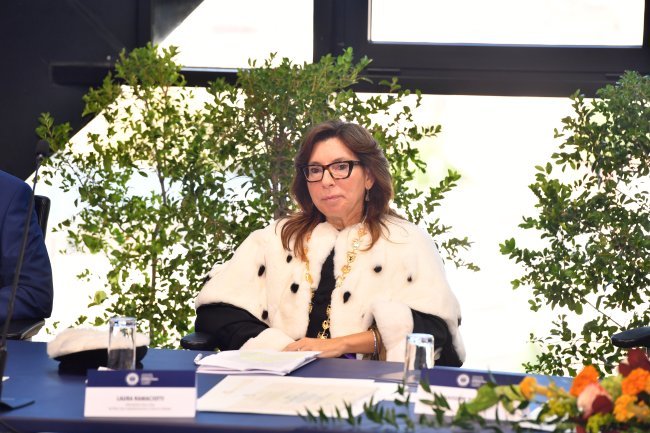
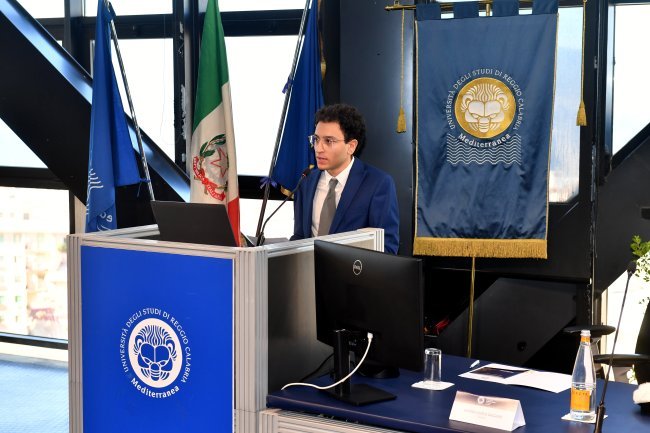
Professor Laura Ramaciotti, President of the Crui , followed by her remarks, emphasizing "the significant value that the Università Mediterranea di Reggio Calabria represents today, in such a complex and complicated time of transition due to the many negative exogenous variables that also impact our daily lives and our institutions. The results that Rector Zimbalatti presented to us are absolutely significant: 48% growth in areas that are also experiencing critical challenges in terms of industrial development is an element that absolutely deserves to be highlighted, indicative of the fact that the Universities are led by people who are absolutely responsible, aware, and determined to promote knowledge as the driving force of the region."
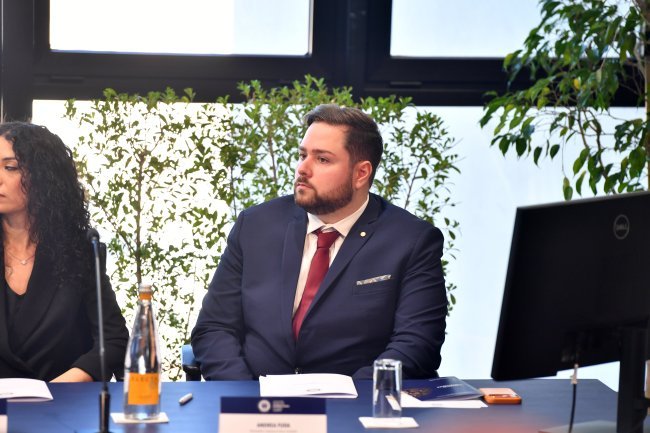
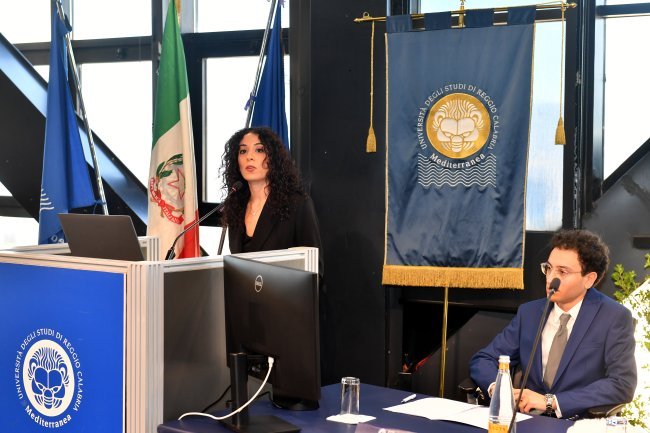
Student Council President Andrea Fuda 's request is significant : "Our Mediterranea University must continue to be a true hotbed of expertise, critical thinking, and practical skills that can be truly applied in the world of work and the professions. Alongside quality teaching and attention to the human dimension of the student, a shared effort is needed to ensure that Reggio Calabria becomes a true university city in the short to medium term, equipped with efficient structural services."

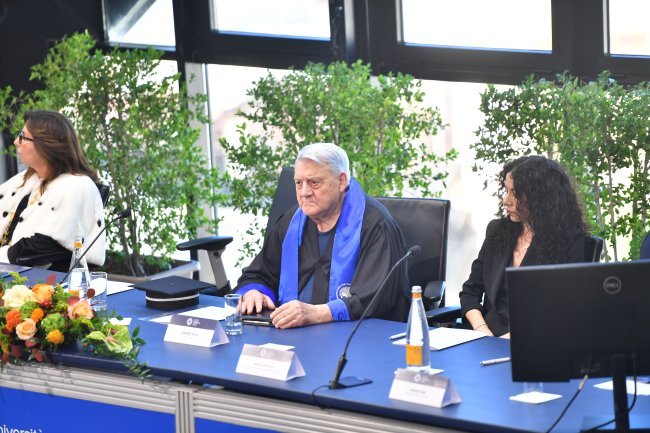
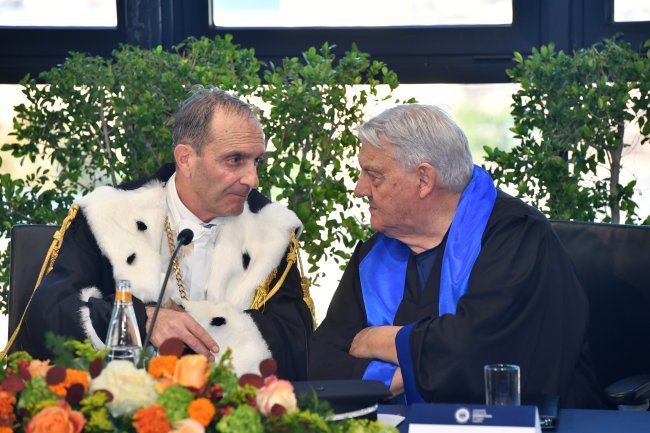
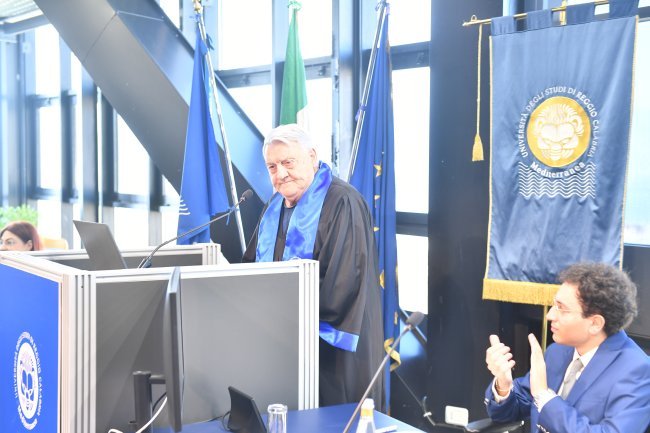
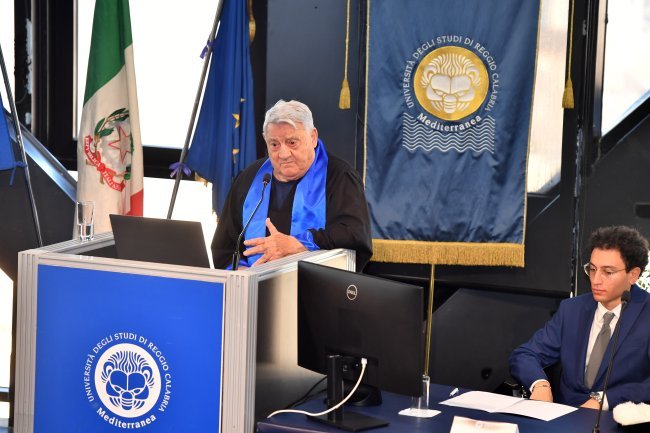
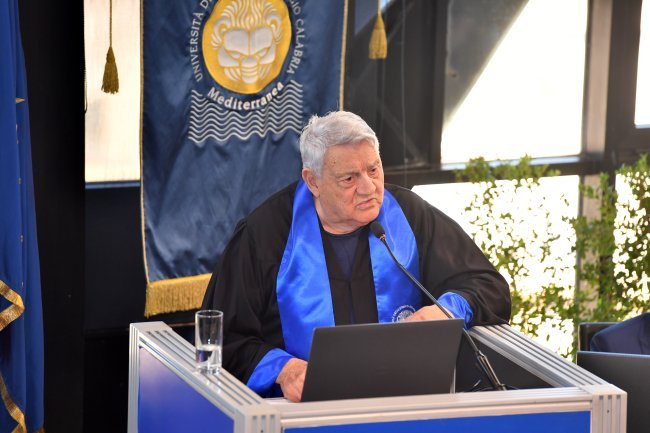
The laudatory address by Aurora Pisano , professor of the Design program, was followed by a keynote address by master goldsmith Gerardo Sacco, who admitted, "Today is truly a difficult emotion to describe." A journey through memory begins here; extraordinary anecdotes and encounters. From Luciano Pavarotti and Elizabeth Taylor to Franco Zeffirelli, whose teachings he recalled: on stage, even a piece of jewelry must convey a character, interacting with costumes, lighting, and emotion. But the main lesson, he stated, remains that of his mother: "Money is earned through the sweat of your labor." This is where the dream he nurtures in the goldsmith's workshop comes from: "a place where hands can create something beautiful: transforming experience into knowledge."
Gerardo Sacco recalls his strong connection to his homeland: Crotone, Calabria, Magna Graecia, and the Mediterraneo . "It is in this heritage of history, art, and traditions that I have found my inspiration, seeking to reinterpret its symbols and give them new life. For me, who was born and raised by the sea, the Mediterraneo is not only an inexhaustible source of inspiration, but a precious heritage that we have a duty to protect and pass on to future generations." The value of resilience is equally strong. "The further my work traveled, the stronger I felt the connection to my origins. Because each of my jewels has brought with it, into the world, a small fragment of my Calabria: its history, its culture, and its traditions." The relationship with young people is central. "Experience, if not passed on, risks being lost. This is why I love meeting students, visiting schools and universities: showing them how much work, patience, and passion goes into a piece of jewelry. An artisan business continues to thrive if someone, tomorrow, is able to pick up the baton. But my greatest investment has been in people, especially young people, the true heritage of my company." Hence the high sense of social, environmental, and cultural responsibility of her work: "preserving and giving new life to the memory, traditions, and culture of my homeland."
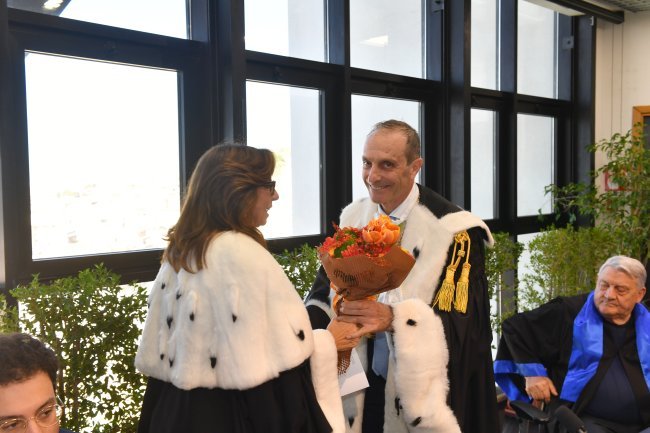
In closing, the maestro thanked his family and collaborators, extending a loving thought to his mother and his wife, Anna. "But, above all," he admitted, "I sincerely thank this prestigious University and its Rector for bestowing upon me an honor I never imagined I would receive when, at the age of ten, I was making my first necklace. I consider this degree a tribute not only to my history, but also to the world of craftsmanship, to the knowledge of the hands, and to my beloved homeland."
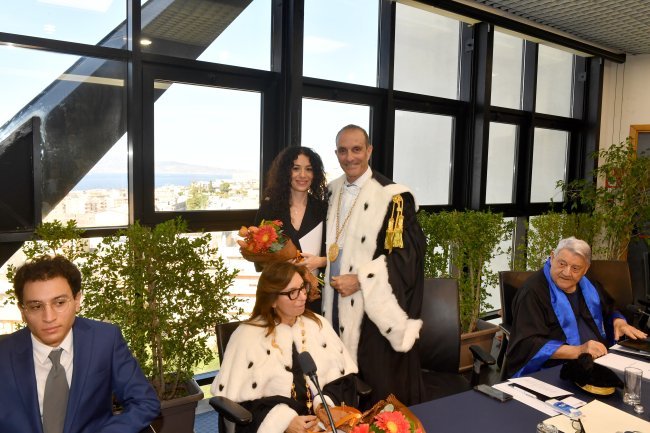
The ceremony continued with the reading of the citation for the awarding of the honorary master's degree by Consuelo Nava, director of the Department of Architecture and Design , who emphasized Maestro Gerardo Sacco's ability to combine tradition and innovation, combined with a strong entrepreneurial spirit, making him a role model for new generations of designers and artisans. "His figure," she added, "is an inspiration for all those who wish to dedicate themselves to promoting Made in Italy and the culture of the Mediterraneo. A profile that perfectly matches that of the master's graduate in Design for Mediterranean Cultures."
The ceremony concluded with the awarding of certificates to four new professors emeritus : Felice Antonio Costabile, professor of Roman law; Francesca Fatta, professor of drawing; Dario Lo Bosco, professor of Roads, Railways, and Airports , now CEO and General Manager of FS Engineering; and Francesca Moraci, professor of urban planning . "We extend our gratitude to them for having contributed to making the Mediterranea the center of talent and excellence that it has become," emphasized Rector Giuseppe Zimbalatti.