
UNIRC IN EVIDENZA


Chi siamo

Educational offer
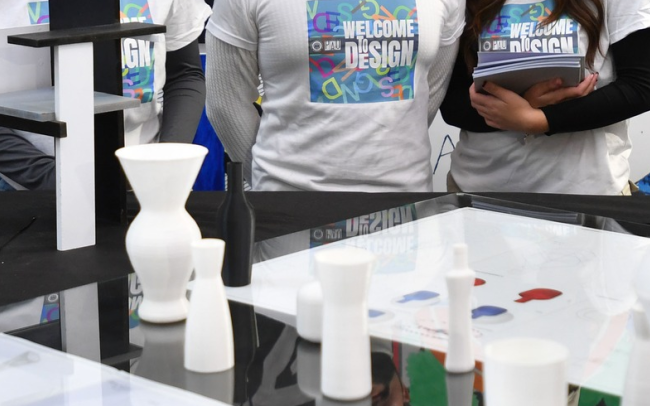
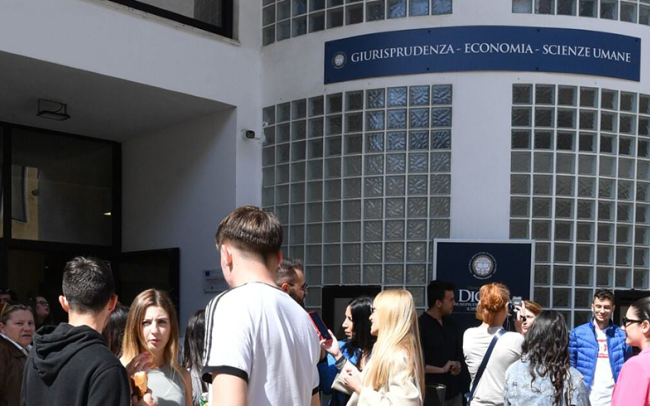
The educational offer 2026-2027, are spread over 10 disciplinary macro-areas: Agriculture, Architecture, Biotechnologies, Design, Economics, Law, Engineering, Nursing, Sports Sciences and Human Sciences. Specifically, 28 Study Courses are active: 14 Bachelor's Degree Courses of three-year duration, 11 Master's Degree Courses of two-year duration, and 3 Single-Cycle Master's Degree Courses of five-year duration. To these are added postgraduate courses, Training and Higher Education Courses, off-campus activities, and experiences in the national and international territory that represent the proper completion of university life. The Università Mediterranea aims to guide all those who decide to train here towards a future that can make a difference; a future that should not be waited for but built, day by day, experience after experience, with the seriousness that this deserves, but also with the joy that cannot be missed.







Educational offer
Promuovere una didattica di qualità è uno fra i principali obiettivi della Mediterranea. Le azioni programmate per il suo raggiungimento si articolano in tre programmi di intervento. Il primo si basa sull'apertura verso le discipline più innovative, sulla definizione di programmi didattici più strettamente connessi con l'attività di ricerca e sull'internazionalizzazione. Il secondo programma fa leva su un più equilibrato rapporto studenti/docenti, sulla razionalizzazione dell'offerta formativa, sul monitoraggio dell'azione didattica e sulla valutazione. Il terzo mira a potenziare le dotazioni tecniche di supporto alla didattica, le attività di orientamento e di sostegno allo studio, i supporti materiali e culturali forniti durante il percorso di formazione.


